This blog post is about how to choose sustainable clothing to make your wardrobe more sustainable.
If you aren’t living under a rock, you’ve probably heard of fast fashion and its negative impact on the environment. Fast fashion is low quality clothing produced in a very high speed, so that consumers can dress according to the latest trends for a cheap price. But that 3 euro Shein shirt is costing a lot more than you think. It goes on the expense of the health of our earth, at the lives of people working in horrific conditions and even the health of ourselves (more on why later!).
The texile industry
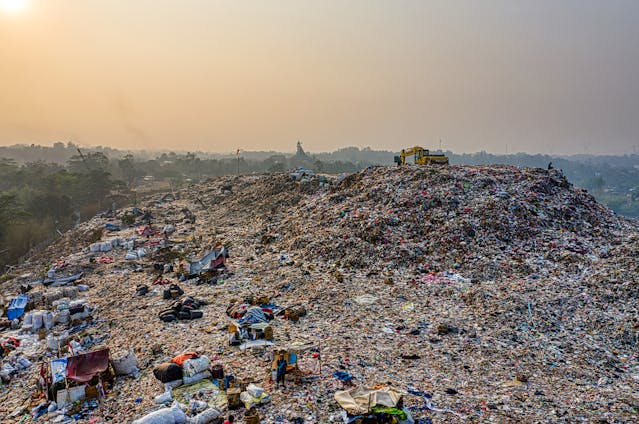
The textile industry is the second largest environmental polluter after the oil industry. Every year 92 million ton of textile waste is generated, which is the equivalent of one entire garbage truck full of garments dumped into landfill every second. SECOND. I don’t even know why it’s even legal to produce so much more clothes than people on earth. (oh maybe because our capitalistic society finds it more important to make profit then to think about the disastrous consequences on our planet).
Not only is all the generated waste a huge pollutant, but there are many more things that come into play here. For example, 51% of all the clothes created are made from Polyester, which is basically plastic. And we all know how bad plastic is for the earth. Furthermore, huge amounts of chemicals, dyes, water and energy is used, not to mention transportation across the globe to ensure the cheapest production possible. When diving into the impact of the fashion industry, it can be a bit overwhelming and depressing. Is there actually any sustainable material? Which is the absolute worst? How can I find sustainable clothing? And where do I even start?
But fear not! That’s why I’ve created a complete guide on how to choose sustainable clothing and make your wardrobe more sustainable. That way you can be fashionable with a clear conscience and do yourself and the planet a huge favor.
Impact of clothes on the environment
Fast fashion is really bad for the environment. But do you know why? We are going to get into the nitty gritty of why fashion, especially fast fashion is one of the most polluting industries in the world.
To understand its total impact, we have to consider four different stages: Extracting, Producing, Using and Discarding. Every stage has an impact on the environment and therefore all four are important to take into consideration when deciding if a piece of clothing is sustainable or not.
Take a piece of Shein for example. It’s truly unsustainable because it would score poorly on all of the four stages. Extracting: Poor. Producing: Poor, Using: Poor and Discarding: Poor. But lets swap it out to a shirt from H&M made from recycled polyester! While the extracting score may be good, the rest of the three could still be poor and therefore not be as sustainable as you thought. Let me explain:
Extracting
The extraction stage is about how the material used for clothing is grown, extracted or collected and the total impact it has. Does it require a lot of pesticides and synthetic fertilizers to grow? What is the agricultural impact of it? Does it have an impact on biodiversity? How does it impact the soil and water? How is the social impact on workers and their health? Are there any ethical concerns like animal welfare? These are all examples of factors that play a role in extraction.
Producing
The production stage is about how the material is produced into fabric, clothing and the total impact. Does it require a lot of water? How much energy is needed for production? How much transportation is in the total production line? What’s the total CO2 emissions score? Does it require a lot of toxic chemicals or is it heavily dyed? How does that affect the environment? What is the social impact of workers and people living close by production factories? These are all questions that tell us how sustainable the producing stage of a clothing item is.
Using
The usage stage is about how often you can use something and the impact it has while using it. These are factors like overall quality of the item, how long you can use it before it’s worn out and if it sheds microplastics while wearing or washing.
Discarding
The final stage is about what happens when you discard the garment. Where do you discard of it? Does it naturally biodegrade? Is it recyclable? Does it go to landfill? Does it emit toxic chemicals or shed micro-plastics when incinerated?
So What is Sustainable Clothing?
Like mentioned above, deciding if a garment is sustainable or not is trickier than you think, as there is more than just one factor to consider. Each one of the four stages has a different impact depending on the material that is used to make the clothing. Taking the four stages into consideration, the best sustainable clothing are made from materials that:
-
- Has little negative impact on the earth, water, biodiversity and health of workers while growing.
- Doesn’t crave a lot of chemicals or energy when creating the fabric.
- Doesn’t have a negative impact on the health of ourselves, the earth or others while in use.
- Are natural, recyclable or biodegradable when discarded, leaving little toxic residue.
What Material is the Worst for Clothing?
Before we get into how to choose sustainable clothing and which materials are the best, lets start with fabrics that are the worst for the planet and our health: Synthetic fabrics,
Synthetics fabrics are made from plastic and will never biodegrade in nature, but degrade into a thousand of small pieces called microplastics, polluting everything they come into contact with. They can even make their way into our bodies, causing a lot of negative health risks. They are also mostly derived from petroleum, which is the most polluting industry on earth. The production of synthetic fibers also uses a lot of chemicals, which are later washed down into our water, further polluting the earth.
But it’s not only synthetic fabrics leaving a negative impact behind them. Conventional cotton, bamboo or leather, are not as good as you think either. Lets find out why!
Polyester
Polyester is just regular plastic made from petroleum, and we all know that plastics doesn’t biodegrade and that the oil industry is the worst environmental polluter in the world. It was made as a synthetic alternative to cotton, and became popular for clothing in the 1950’s. Even if it hasn’t even existed for 100 years, it’s already a massive problem, contributing heavily to textile waste and plastic pollution.
Polyester sheds microplastics in production, with using and washing. It doesn’t breathe when you wear it, trapping moisture and bacteria inside, which can irritate your skin and makes it susceptible for bad odor (you know that one polyester top that just smells like sweat the instant you wear it…). Also it isn’t biodegradable, and most likely will end up in landfill where it will pollute the earth for centuries to come or be incinerated and release all its toxins in the air instead (yeeeey!). Polyester furthermore craves a lot of water to create and is difficult to recycle, because it contains a lot of dyes or is blended with other materials. The dyes that are used are also toxic and harmful to both humans and to the environment.
To sum it up: This fabric is the worst one of them all. Sadly, it’s also the most used material for clothing today because it is C H E A P.
Nylon
Nylon is a type of plastic that is also derived from petroleum, and therefore supporting the oil industry. It was made as a cheaper and synthetic alternative to silk. Producing nylon craves a lot of water (which is then polluted in the process) and energy, and while produced releases nitrious oxide (which is 300 times worse than CO2). It’s not biodegradable and sheds microplastics into our waterways when worn, washed or into the earth when it ends up in landfill. If you want a sustainable wardrobe, you should avoid this material.
Acrylic
Acrylic is another synthetic fiber that is, again, made from plastic. It is supposedly made as a synthetic and cheaper option to wool. The process of producing acrylic is very similarly to nylon, a very energy and chemical intensive manufacturing process. It sheds the most microplastics compared to all other synthetic materials, isn’t biodegradable and releases toxic fumes when incinerated. Furthermore, acrylic is highly flammable, can trap odors and is not durable at all. While it’s soft, it isn’t a very good material for clothes and is often used a s a cheap filler ingredient. Again, avoid this material for a more sustainable wardrobe.
Rayon/Viscose and Modal
Rayon/Viscose and modal (second generation viscose), are semi-synthetic fibers made from wood pulp from fast growing trees, such as eucalyptus, beech and pine. Producing viscose is a highly polluting process because of the chemicals used to dissolve the wood pulp, to be able to spin it into fibers. It pollutes waterways, airways and the earth with toxic chemicals. While it technically is biodegradable, it also simultaneously releases its toxic chemicals into the ground while decomposing. Also, to make space for fast growing tree plantation, forests are cut down and wildlife endangered.
Viscose or Modal can also be made from bamboo, called Bamboo viscose. We have been sold that bamboo is a sustainable option, but unfortunately, it’s just as bad as viscose from other type of trees. I was surprised to find out, as I always thought Bamboo clothing was a sustainable choice! Turns out it was just greenwashing. Surprise surprise…
Elastane/Spandex/Lycra
Elastane (also called Spandex or Lycra) is a synthetic fiber made from polyurethane, ultimately derived from petroleum. Extracting and refining petroleum demands a lot of energy, leads to global warming, pollution and destruction of habitat for countless of species. Also the manufacturing process relies on fossil fuels. The process of creating elastane also uses a lot of toxic chemicals, energy and water. Synthetic dyes are needed to color the fabric, and those are one of the most pollutant factors in the textile industry. It furthermore sheds micro plastic and isn’t biodegradable. Again, this type of fabric doesn’t belong in a sustainable wardrobe.
Conventional Cotton
Surprised to find cotton on the list? While cotton is a natural and biodegradable textile, growing conventional cotton requires HUGE amounts of pesticides. This because it’s very susceptible to pests and because of monoculture (planting the same plant on the same patch of land year after year, depleting the soil). Synthetic fertilizers are used as well, to make the cotton grow faster.
Another problem is that cotton is one of the most water intensive crops in the world, and in combination with the many pesticides and fertilizers used, it pollutes groundwater and the earth. Not to mention that it’s really bad for biodiversity and health of the people working or living near the cotton plantations as well. So much so that cotton farmers often get diseases and die early.
Cotton is however a natural fiber and is therefore breathable, comfortable to wear and biodegradable (even if the dyes and chemical finishes still make it harmful for eco-systems). Still, conventional cotton is not a sustainable material for clothing because of the huge negative impact it has by cultivating it.
Fur
This one may speak for itself. While it’s natural that our ancestors hunted an animal for food, used its fur for clothing to keep warm and let nothing of the animal go to waste, today’s production of fur is far from that. Fur factory farms hold animals in large scales just to be killed and discarded only for their fur. This leads to thousands of animals suffering, just because we want to look pretty by wearing a fluffy fur coat. This is far from the natural way fur was used back in the days.
Also, while natural fur is biodegradable, fur today is colored, bleached and treated so it doesn’t start decomposing by just hanging in your closet. Toxic chemicals like ammonia, formaldehyde, other chromates and bleaching agents are used for both preservation and dying of the fur. These chemicals are hazardous for the environment.
Fur can however be a natural and sustainable choice when it comes from a local small scale farm where fur is a byproduct from meat, where the animals are treated well and where the fur isn’t overly processed with chemicals and treated traditionally with natural products. But I guess it would be quite expensive and quite hard to come by these days.
Faux fur? Made from plastic, and we already know how that’s not a good idea either.
Wool
While wool isn’t as bad as plastic material, it’s still not the best choice. Conventional wool has many of the same issues as the meat industry. The sheep are its products, and on a mass scale, things are almost impossible to do ethically and sustainably. This means that sheep often are mistreated and mutilated for the sake of profit. Also, with conventional wool, there are no strict rules about how sheep are held or how the land they stay on is treated. This can lead to loss of biodiversity when large amounts of sheep graze on natural territory.
Furthermore, the process of stripping wool from fat and preparing it to make clothes, involves harsh detergents and chemicals that are poisonous for the earth. Lastly, wool is often blended with synthetic materials to make it easier to wash and to sell the clothes cheaper. It can also be treated with a plastic coating to retain wool better and make it easier to wash. This leads to the clothing being non-recyclable, as it is a blend and not pure material.
Leather
Leather is another thing that seems natural but actually isn’t in the way it is produced today. While previously, leather was cured with salt, natural tanners and oils, today more toxic substances like formaldehyde, arsenic, coal tar derivatives and synthetics dyes are used. Also leather is most often chrome tanned, which leads to a lot of toxic waste. It pollutes groundwater with heavy metals, causing health problems for workers and people living in surrounding areas.
The leather industry and the meat industry also go hand in hand. While it is not bad that the hides of animals are used instead of discarded as a waste products, the ethical problem of both industries remain a problem for both the well being of animals and environmentally. Being able to earn extra money from selling the hides of slaughtered animals, helps to keep the large scale industries going.
However, if cattle were to be held in small scale, without deforestation, ethically treated and the leather was processed without the use of harsh chemicals, it could be a sustainable choice. Leather is a very durable material and can last a long time if you take good care of it. When leather should be able to biodegrade, the tanning process hinders this. If the leather is chemically processed, those chemicals used for tanning and production will leach out of the leather, thus polluting the earth.
Mid Tier Choices for Sustainable Clothing
There are some types of materials that wouldn’t be the absolute best choice, but still are great options to choose for more sustainable clothing! Especially when it’s already quite difficult today to find something that is not made from plastic. Those are:
- Econyl
Econyl is actually Nylon, but made from recycled plastic waste collected from fishing nets, industrial plastic and fabric waste. It is created in a closed loop, meaning all chemicals used in the processes are collected and reused for the next time, and therefore quite a bit better than regular nylon. The quality is just as good as new Nylon. There’s just one issue that remains: the fabric still sheds microfibers when you wash it and is not biodegradable.
✧ Read: Sustainable swimwear made from recycled plastic
- Recycled polyester
Recycled polyester uses half as much energy compared to newly produced polyester, and saves plastic bottles from oceans and landfill. However, polyester can’t be recycled forever and is therefore not a long term solution. Also it still sheds microplastics when washing and often still ends up in landfill in the end. It is also often blended with virgin polyester. Choose items made from recycled polyester that don’t require washing, like belts, shoes or bags.
- Regular linen and hemp
Linen and hemp are both natural materials perfect for clothing. They’re pest-resistant, so they don’t need a lot of pesticides while growing, are breathable and comfortable on the skin, durable and biodegradable. However, if it isn’t organic, pesticides can still be used as well as chemicals for the retting process or finishes, which is why it scores as a mid-tier choice for choosing sustainable clothing.
Best Sustainable Materials for Clothing
Now on to the materials we have all been waiting for! The best choices for sustainable clothing.
Organic Hemp
Hemp comes from the stems of the cannabis plant. It is fast growing, craves very little water to grow and is super resilient. Even regular hemp needs minimal or no pesticides and fertilizers at all! This makes it a top ranking material for sustainable clothing. Hemp also encourages biodiversity when it grows, as it attracts a lot of pollinators when it blooms, increases soil health with it’s deep roots and eats up lot of CO2 whiole growing.
Organic hemp is the better choice as producers otherwise can use toxic chemicals in the retting process, which is the process to separate plant fibers from woody stalks so it can be turned into yarn . Hemp is quite similar to linen, with its breathable, hypoallergenic and moisture wicking quality. It’s also a very durable material for fabric, completely natural and biodegradable.
Organic Linen
Linen comes from the stems of the flax plant. The flax plant is resilient, can grow in poor soil and craves very little water, which means that very little pesticides, fertilizers and water is needed for it to grow. Compared to conventional linen, organic linen is not sprayed with pesticides at all and the retting process avoids the use of toxic chemicals. But beware: Linen needs a lot of bleaching to get white, so a natural color (like ivory, ecru, tan, and grey) is better.
Like hemp, linen is a strong fabric that is also highly breathable and moisture absorbent. It’s also naturally moth resistant, hypoallergenic and becomes softer the more often you wash it, which makes it a very durable item (especially for bedding!). Lastly, it is natural, biodegradable and easy to recycle, making it one of the best sustainable materials for clothes.
Organic or recycled cotton
Organic cotton is another material for sustainable clothing. Even if hemp and linen are more sustainable, organic cotton is far better than conventional cotton. This because it’s cultivated without the huge amounts of toxic pesticides typically used for growing conventional cotton. Organic cotton is much better for the earth and people working with cotton or living close to cotton fields. It does however still require a lot of water to grow. But cotton is also recyclable, as long as it isn’t blended with other materials. Recycled cotton doesn’t need to be produced, but collected, and is therefore another great alternative.
Cotton is a great fabric to wear as it is highly breathable, moisture absorbent and soft. Organic cotton is also processed without chemicals, thus making it safer for us to wear and wash. As a natural fiber it is biodegradable and doesn’t poison the earth when discarded. However, it can still contain some harmful chemicals depending on how the cotton fabric has been dyed.
Tencel Lyocel
Tencel Lyocell is a semi-synthethic fiber made from dissolved wood pulp. It is very similar to viscose and modal. The main difference is that the chemicals and water used to dissolve the wood pulp are used in a close loop system. This means they are used again and again and therefore greatly reducing toxic waste. Also, tencel often derives wood pulp from responsible sourced wood, like eucalyptus or beech, that are naturally strong trees that don’t require pesticides and minimal water. It’s breathable, absorbs moisture, and is soft on the skin, which makes it great to have as active wear. Tencel also craves little water and energy to be produced. Howver, always check that is contains no other materials in the mix, or it won’t be biodegradable any more.
Organic or Recycled wool
Wool is a natural material that has kept people warm for thousands of years. It is durable, doesn’t shed microplastics when it’s washed and biodegrades naturally when it is discarded. However, with this material it is important to consider the welfare of the animals where the wool comes from, as well as the land the sheep are staying on. With recycled wool you won’t have to think about it, because it has already been produced and thus is only beneficial if it’s recycled and repurposed. When buying new wool, organic is the best option. Organic wool greatly reduces the ethical concerns and environmental impact conventional wool can have. It also avoids using harsh detergents, pesticides and chemicals in the production phase.
When you are buying wool, look for a GOTS (Global Organic Textile Standard) certification. This is the same for cashmere, which is a super soft type of wool from cashmere goats. Like with all textiles, be considerate of what it has been dyed with to ensure it won’t shed toxins when used, washed and discarded.
Some argue that wool is worse than synthetic fibers because of it’s higher CO2 emissions from keeping sheep. But, if you look closer, only looking at CO2 emissions as sustainability factor is only looking at one part of the entire journey wool makes from start to finish. It doesn’t paint the whole picture. I therefore regard organic wool from sustainable farming and ethical animal keeping, as a great sustainable material for clothing. One could argue it’s more important that a textile is made without poisoning the earth with chemicals from processing or microplastics, weighs higher than the CO2 the sheep naturally emmit from simply existing.
Organic Peace Silk
Silk is created by the silkworm, who eats itself full of mulberry leaves and spins a silk cocoon to transform into a butterfly. When producers want to extract the silk, they usually boil (!) the cocoons with with the worm still inside. Organic silk is made from the cocoons of silk worms that only eat organic mulberry leaves, and therefore has a better environmental impact as the trees do not need to be sprayed with pesticides.
As it seems a bit cruel to boil the cocoons with the silkworm in it, there is also something called Peace silk. Which allows a special type of silkworm to complete their transformation into a butterfly and uses the empty cocoon for silk production. Of course, the most ethical silk you can choose is therefore organic peace silk. But silk is really pricey so it’s not a fabric you have for everyday wear. Maybe you will just have a luxurious silk dress or pyama set and that’s it.
How to Choose Sustainable Clothing
What to avoid for sustainable clothing
As we have talked about, you should avoid clothes from fast fashion brands and materials that are plastic: polyester, nylon, acrylic, viscose and elastane. Also regular cotton clothes are not the best. However, there is one exception when it is okay to buy both plastic and regular cotton clothes: When it’s second hand. As second hand clothes are already produced, it is better to wear and use them before buying anything new.
What to choose for sustainable clothing
So what should you chose? If you want to buy something new, organic or recycled natural fabrics like organic cotton, organic linen, organic hemp organic wool or organic silk are superior. You can buy second hand clothing in whatever material you like. However, keep in mind that plastic clothes still shed micro plastic while washing and wearing, but as it’s already produced, it’s a very sustainable clothing choice.
Where to buy sustainable clothing?
While there are specific brands that focus on creating sustainable clothing, there is no ”best” one you should buy from specifically. The best thing you can do before buying a piece of clothing is reading the label!
The label is usually inside the left side seam of a clothing piece and tells you what materials it’s made of and where it’s made. If the material is pure, organic and natural, the brand name matters less. Even ”sustainable” brands can green wash and fast fashion brands can even sell organic cotton shirts. Looking at the label will always tell you the truth. Clothing made from 100% of the same material are preferred, because they are able to be recycled when you are done with them.
There are also certain certifications that will tell you much about the sustainability of an item, like GOTS, Fairtrade and OEKO-TEX (more about that in another post!).
Last thoughts about How to Choose Sustainable Clothing
So when it comes down to it, the best choice you can make is to buy second hand clothing as it is already produced. Second comes new clothes from organic or recycled biodegradable materials such as hemp, linen, cotton, wool and silk. Third comes clothes made from recycled plastic waste. Worst clothes you can buy for the environment are new clothes made from plastic and conventional cotton.
But then the question I get so many times: but how do you know something is truly organic or ethical? Producers can lie or green wash to promote their products!
Yes that is true, and truly sad. But just because some cheat doesn’t mean that we have to throw away the whole thing. There will always be dishonest people. But choosing organic shows producers that that’s what consumers value, which will eventually lead to more and more brands making more sustainable choices. It also again shows how important it’s to do research on the brand you intent to buy from, and why almost always local, small and organic companies will be the best option to buy from compared to big billionaire companies. Unfortunately this puts a lot of responsibility on the consumer, but eventually brands will follow where the consumers money goes.
I hope this post motivates you to create a sustainable wardrobe! While all production of something uses resources like water, energy and emits CO2, there are just some factors that we cannot reverse: poisoning the earth with toxic chemicals and plastics.
Love,
Bo